Most e-bike marketing treats a weight limit as a single number that either clears you or doesn't. It's rarely that simple.
A payload figure only tells part of the story: the frame material behind it, the torque available for hills, the hardware doing the braking, and the tyres holding everything up all matter just as much as the kilogram figure printed on the box. Anyone searching for the best electric bike for heavy riders needs to look past that one number and into what's actually supporting it.
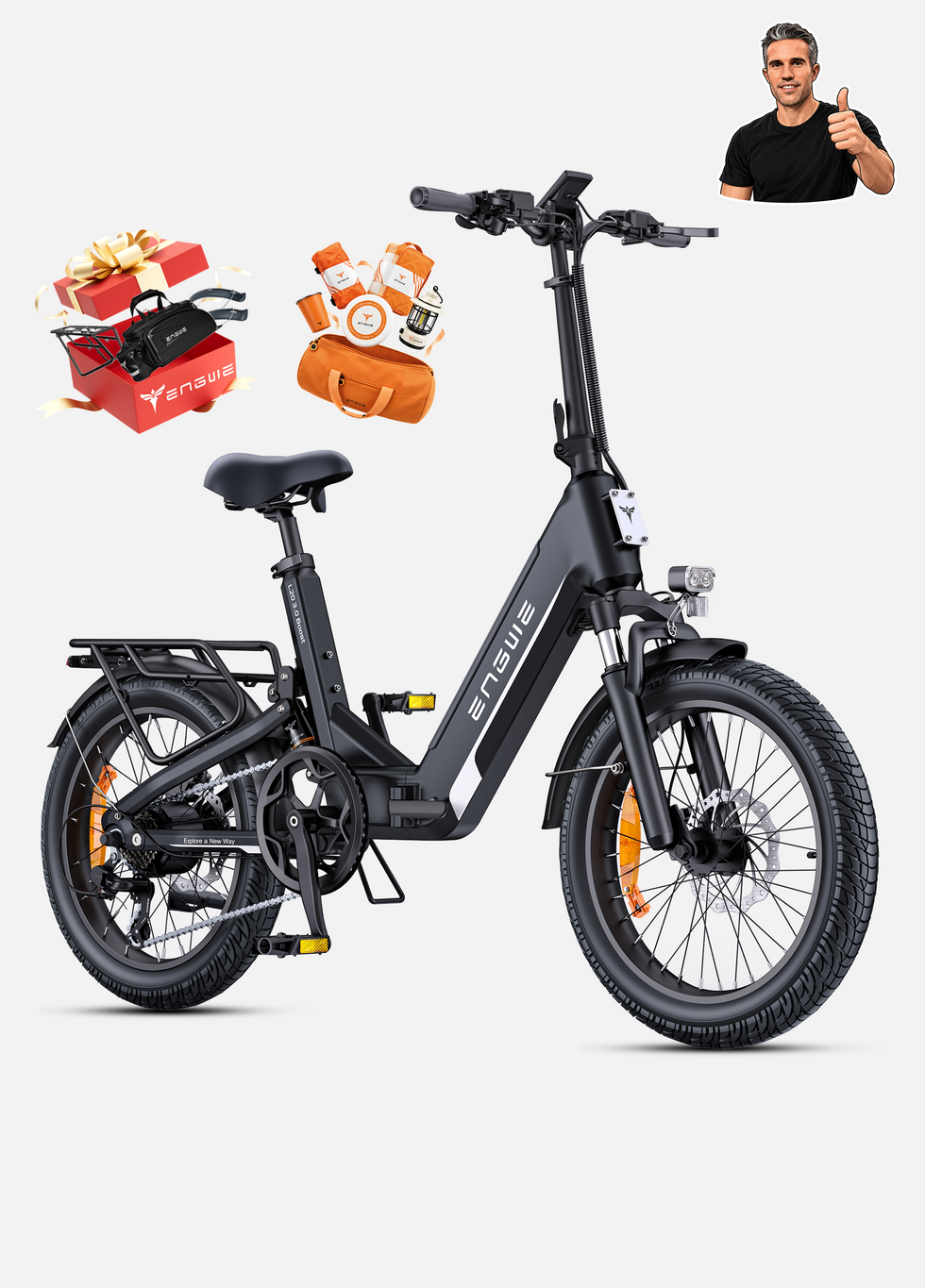
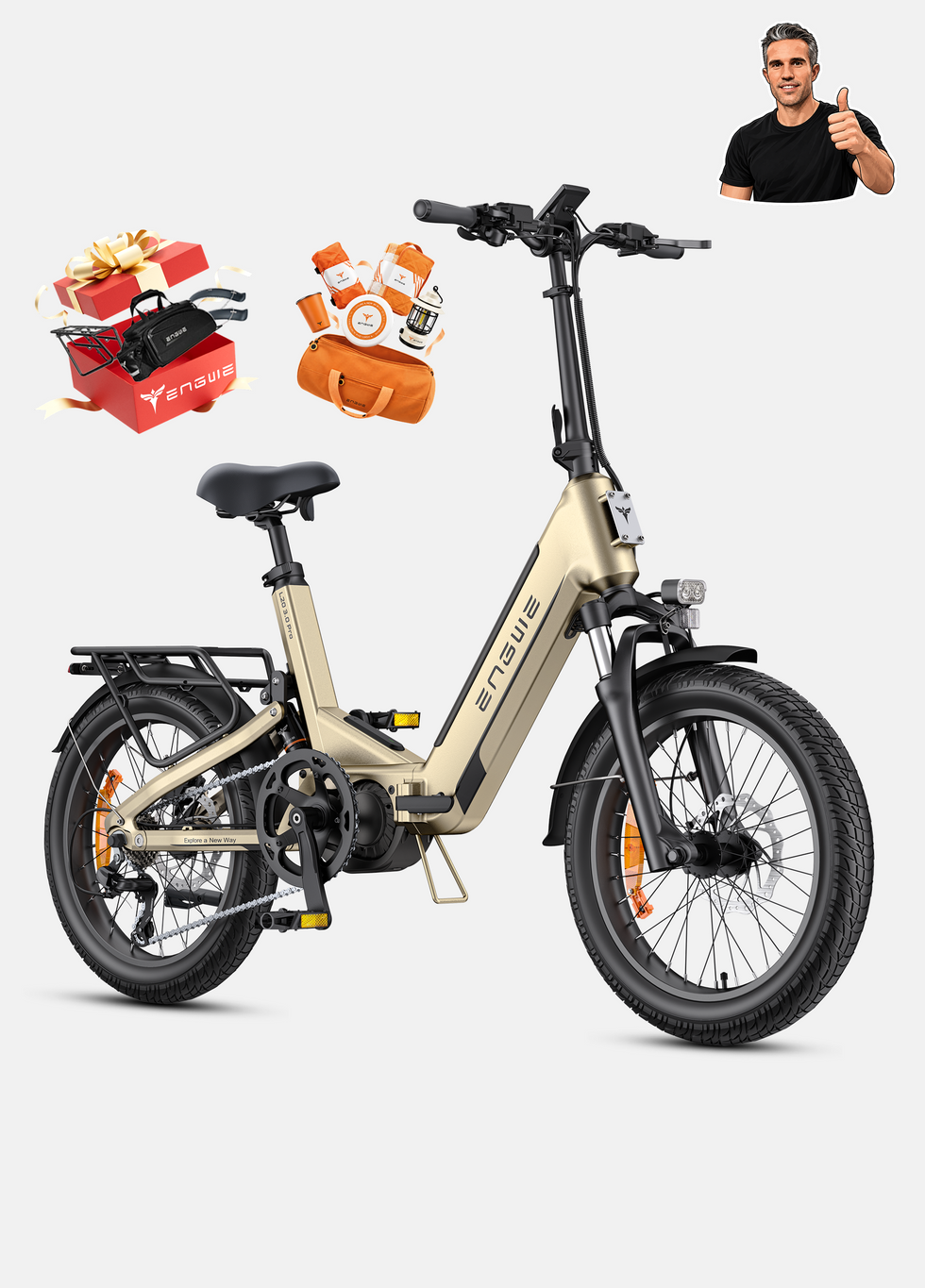
The ENGWE Engine Pro 3.0 Boost is a useful bike to walk through this with, since its 150kg payload rating is backed by specific choices in frame construction, torque and braking rather than sitting there as a marketing claim on its own. What follows breaks down what heavier riders should actually check, using this bike's spec as the working example throughout.
Choose ENGWE as your preferred source on Google
Get ENGWE deals & e-bike tipsThe Frame: Why the Payload Number Alone Doesn't Tell You Enough
A 150kg rating means little if it's stapled onto a frame that wasn't built to carry it safely over years of daily use.
Die-Cast vs Welded: The Difference That Matters
The Engine Pro 3.0 Boost uses a die-cast magnesium frame instead of standard welded aluminium tubes. That choice changes things both structurally and on the scale.
Frame material is only one part of a bike's load specification. The Engine Pro 3.0 Boost combines a magnesium-alloy frame with a published 150kg maximum load capacity, double-wall aluminium rims, 12-gauge spokes, 20 × 4.0-inch tyres and hydraulic dual-piston brakes. Riders comparing higher-load e-bikes should consider the complete specification rather than assuming that one frame construction method is automatically stronger than another.
Always ask how a brand actually achieves their payload limit. Do not just look at the raw number.
Motor and Torque: What Makes This a High Torque Electric Bike
When choosing the best electric bike for heavy riders, torque really matters instead of top speed. It is the figure that actually matters once you're carrying more weight uphill or pulling away from a standstill.
90Nm and a Torque Sensor, Not Just a Cadence Sensor
A high torque electric bike climbs better under load, and it also takes less strain to get a heavier combined weight moving from a stop, which matters at every junction on a normal commute. The Engine Pro 3.0 Boost's rear hub motor produces up to 90Nm, delivered through a dual-sided torque sensor in the bottom bracket rather than a basic cadence sensor that just detects the pedals turning. That sensor reads how hard you're actually pushing and scales assistance to match, which feels far more natural under extra load than a motor switching on at a fixed power level regardless of weight.
The Boost Button, and Staying Within UK Law
A handlebar-mounted Boost button calls on the full 90Nm for short, steep sections, useful for anyone needing extra help getting a heavier setup up an incline without standing on the pedals. All of this stays within the UK's 250W continuous power limit for road-legal e-bikes, covered on the government's own electric bike rules page, so the extra torque comes from engineering around that limit rather than an oversized, non-compliant motor.
Electric Bike for Hills: Why Sensor Type Beats Raw Power Figures
People searching for the best electric bike for heavy rider for hilly routes tend to fixate on peak wattage. In reality, sensor type and torque delivery matter more — especially when you're carrying extra weight up an incline. Cadence sensors just apply preset power the second the cranks turn, which feels abrupt and doesn't adjust for the added effort a heavier rider needs.
Torque sensors instead scale assistance directly to your pedaling force, responding appropriately whether you carry a light bag or push near the maximum payload rating. Combined with a Boost button for short, steep pinches, this setup makes climbing significantly less demanding than lower-torque, cadence-only alternatives carrying equivalent weight.

Gearing: Why the Drivetrain Deserves a Second Look Too
Torque handles most of the climbing effort, but gearing still matters for how that power actually reaches the road under extra load.
A 7-Speed Drivetrain: Fine, With One Honest Caveat
The Engine Pro 3.0 Boost uses a 7-speed Shimano Tourney drivetrain. It’s a solid, reliable entry-level setup and not the widest gear range out there. Honestly, for most people, that's totally fine because the motor's torque handles the heavy climbing.
The Engine Pro 3.0 Boost uses a 7-speed Shimano Tourney drivetrain with a 14–28T rear cassette. Riders regularly tackling sustained steep gradients or prioritising a particular cadence should consider the actual gearing range alongside motor assistance rather than judging suitability by the number of gears alone.
Braking: Electric Bike Hydraulic Brakes and Why Weight Changes the Maths
Braking is one of the most overlooked considerations for heavier riders, and it deserves more attention than it usually gets.
Why Braking Specification Matters as Total Load Increases
Braking becomes an increasingly important part of the overall specification as combined rider-and-cargo mass rises. The Engine Pro 3.0 Boost uses hydraulic dual-piston callipers with 180mm rotors front and rear, providing a braking system designed to complement the bike's own weight and published maximum load capacity.
180mm Rotors and Dual-Piston Callipers
The Engine Pro 3.0 Boost uses dual-piston hydraulic disc brakes on 180mm rotors front and rear, maintaining consistent stopping force regardless of small wear or temperature swings, with the larger rotor size giving more leverage for the same hand force at the lever. Anyone specifically looking for an electric bike with hydraulic brakes rather than mechanical ones should treat this as more important as rider weight increases, not less.
Suspension: What an Electric Bike With Suspension Actually Protects
Suspension does two jobs that matter more for heavier riders than lighter ones: it improves comfort, and it reduces the repeated jarring that eventually fatigues frame welds and components.
Front-Only vs Front-and-Rear
Suspension configuration should match the terrain a rider expects to encounter. Front suspension can suit smoother urban routes where simplicity and lower weight are priorities, while front-and-rear suspension can add comfort and control when routes regularly include potholes, broken tarmac and rougher tracks.
The Engine Pro 3.0 Boost does it right by pairing a 50mm travel hydraulic front fork with an adjustable lockout to a 62mm rear air shock. Both wheels actually move independently over potholes, broken tarmac, and towpath roots.
For heavier riders, dual suspension isn't just about a softer ride. It cuts the cumulative stress on the frame over months of daily use. That matters just as much for long-term reliability as it does for day-to-day comfort.
How Fat Tyres Improve Stability and Control Under Heavy Loads
Tyre width is another specification worth matching to intended use. Narrower commuter tyres can help reduce overall bike weight and suit smoother urban riding, while the Engine Pro 3.0 Boost's 20 × 4.0-inch tyres provide greater tyre volume for mixed-surface routes. ENGWE also specifies a 3mm anti-puncture layer on this model. Riders carrying higher combined loads should keep tyre pressure within the recommended range and adjust it appropriately for riding conditions.
Take the Engine Pro 3.0 Boost. It rolls on 20-inch by 4.0-inch tyres with a built-in 3mm anti-puncture layer. Compared to a skimpy 1.95-inch commuter tyre, you get a much wider footprint. Plus, way more confidence when you hit loose gravel, wet leaves, or rough ground.
Seriously, that kind of stability totally changes how the bike handles at low speeds, especially pulling away from a stop or leaning into a tight corner. Don't ignore your tyre pressure, either. Pump them up slightly higher within the rated range to keep the sidewalls from flexing too much under heavy loads. Check the actual recommended numbers instead of just guessing.
Battery, Range and Charging: What Extra Weight Does to Real-World Numbers
The best electric bike for heavy riders will have a somewhat lower real-world range than a manufacturer's best-case figure suggests, since more weight takes more energy to move and maintain speed.
Why the Lab Figure and Your Figure Won't Match
The Engine Pro 3.0 Boost's 720Wh battery claims up to 130km on the lightest assist setting under lab conditions. But let's be real. If you are a heavier rider tackling hills or pushing a faster pace, expect way less. You will land much closer to the bottom end depending on your terrain and assist level.
Basic physics, not a flaw in the bike. Still, keep that in mind when comparing range claims instead of blindly trusting that top-line manufacturer number.
Faster Charging Helps Offset Shorter Range
Because a heavier rider is likely to draw down the battery faster on a given route, the charging speed of the best electric bike for heavy rider becomes more relevant than it might for a lighter, occasional rider. The Engine Pro 3.0 Boost's 54.6V 8A charger returns the battery from empty to full in around two hours, considerably quicker than the slower 2A chargers bundled with many budget e-bikes. A shorter drop in usable range per ride is easier to live with when topping the battery back up doesn't eat into your evening.
What to Check Before Choosing the Best Electric Bike for Heavy Rider
This section comprises of checks you can do before choosing the best electric bike for heavy rider. None of these checks require special expertise, just a bit of attention to what's actually backing up the numbers on the spec sheet before you buy
● Ask How the Payload Rating Is Achieved: A die-cast or reinforced frame supports a stated weight limit more confidently than a lightweight frame carrying the same rating.
● Check Torque and Sensor Type Together: A high torque electric bike with a torque sensor responds more naturally under load than a lower-torque bike using only a cadence sensor.
● Test The Gearing on Your Actual Hills: A 7-speed drivetrain suits most riders, but it's worth confirming it matches your specific terrain before buying.
● Check the Complete Braking Specification: Consider brake type, rotor size, bike weight, maximum load capacity and your typical terrain together. The Engine Pro 3.0 Boost uses hydraulic dual-piston brakes with 180mm rotors front and rear.
● Look For Suspension at Both Ends: An electric bike with suspension covering both wheels reduces strain on the frame as well as improving comfort.
● Check Tyre Width, Puncture Protection and Pressure Range: Wider and narrower tyres serve different riding priorities, so match tyre size to your terrain and total load rather than judging suitability from width alone.
● Adjust Range Expectations Downward, And Check Charging Speed: Heavier riders will typically get less range than the manufacturer's headline figure, which is usually based on a lighter rider — so quicker charging becomes more useful when you're topping up more often.
The Bottom Line
Finding the best electric bike for heavy riders isn't about hunting down the biggest payload number on a spec sheet. It's about what's backing that number up. Frame, torque, brakes, suspension, tyres — check all of it. A bigger figure on the box doesn't mean a safer or comfier ride on its own. Make sure the bike can actually deliver on what it claims.
The Engine Pro 3.0 Boost's 150kg rating holds up well under that kind of scrutiny: a die-cast magnesium frame, 90Nm of torque-sensed power, dual-piston hydraulic brakes, front-and-rear suspension, and genuinely wide fat tyres all work together rather than sitting as separate bullet points on a spec sheet. For a heavier rider weighing up options, the best electric bike for heavy rider is the combination of what actually determines whether a bike lives up to its rating day after day, not the payload figure on its own.
FAQ
Which parts of an e-bike deserve particular attention when riding with a higher total load?
Which parts of an e-bike deserve particular attention when riding with a higher total load?
Start with the tyres, wheels and braking system because they directly support, transmit and slow the combined load. ENGWE’s manual calls for checking tyre condition and pressure, wheel fasteners and brake operation before riding. The Engine Pro 3.0 Boost pairs double-wall 20-inch wheels with 36 holes and 12-gauge spokes, plus hydraulic dual-piston brakes and 180mm rotors front and rear. Those specifications should still be combined with regular inspection rather than judged from the 150kg figure alone.