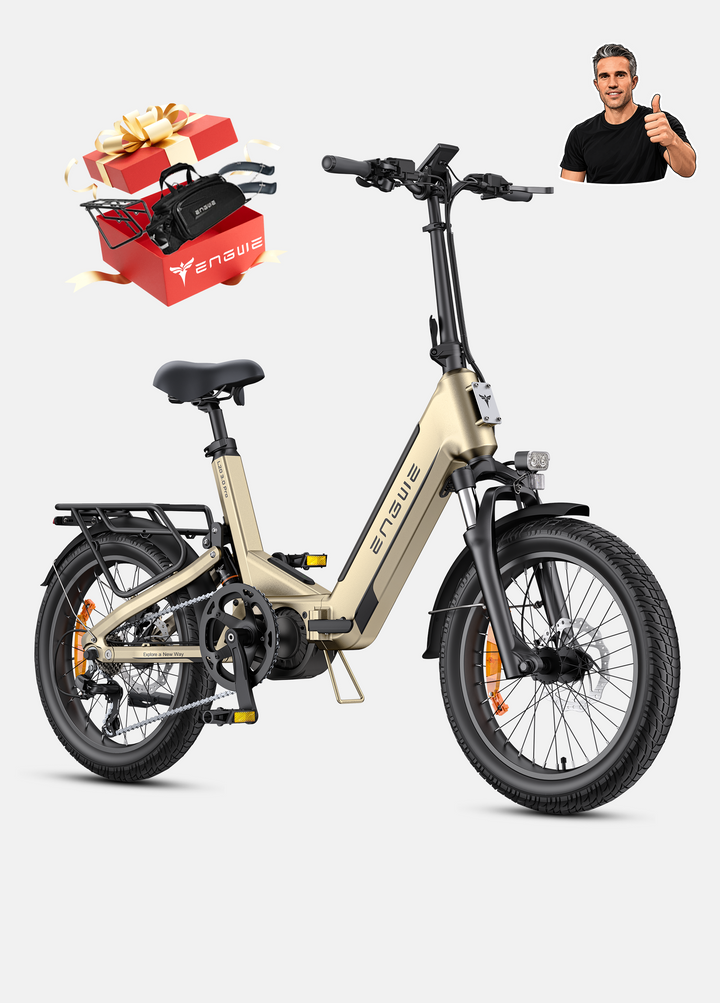
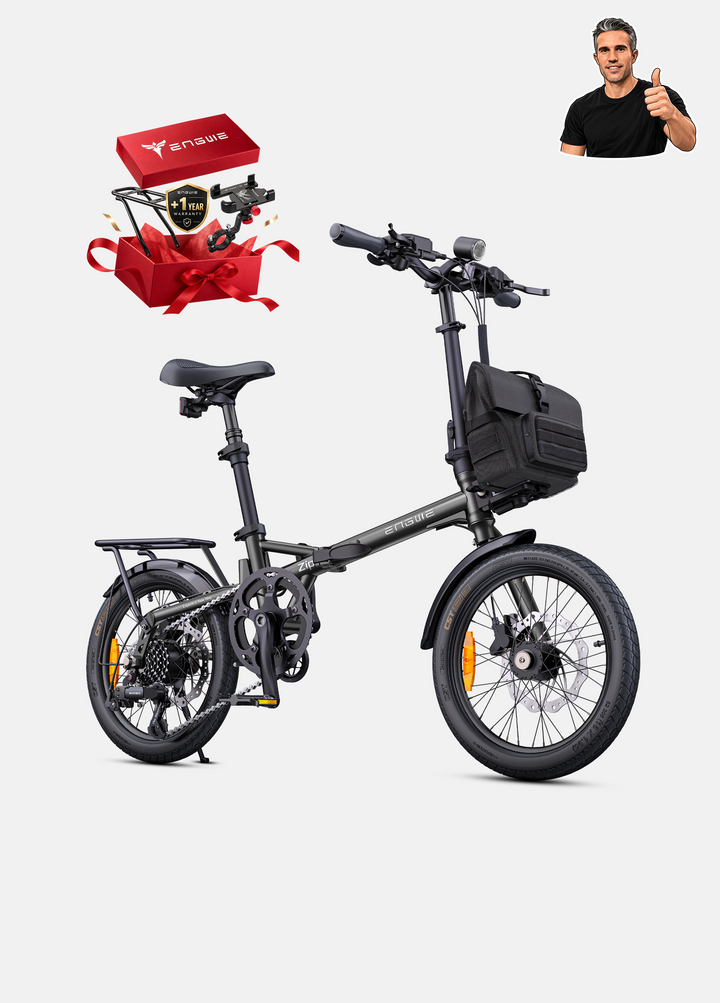
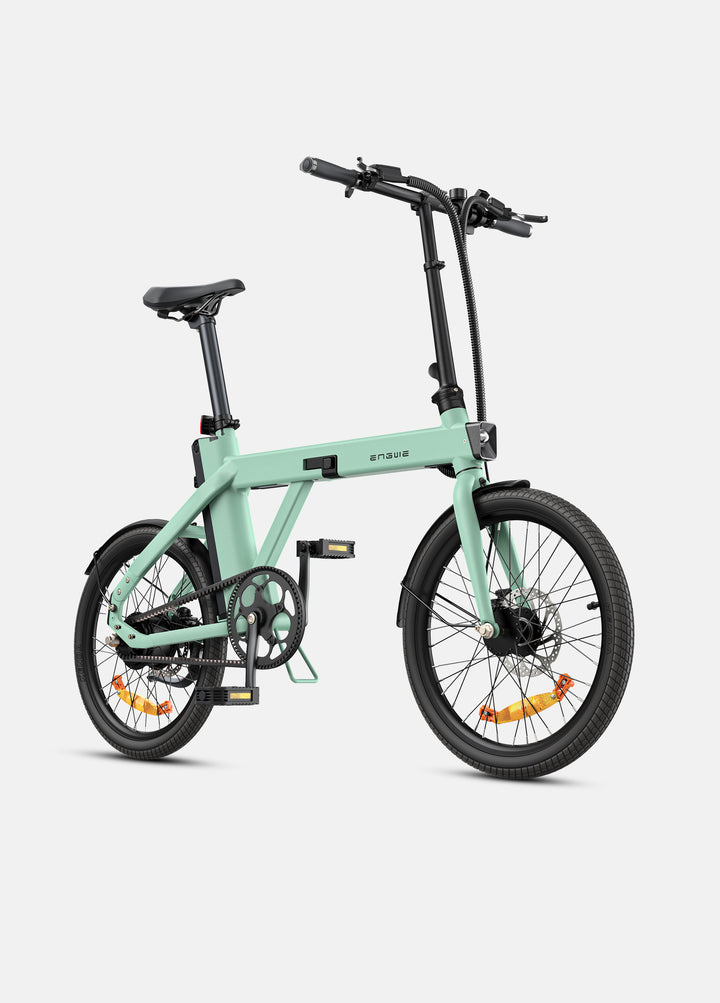
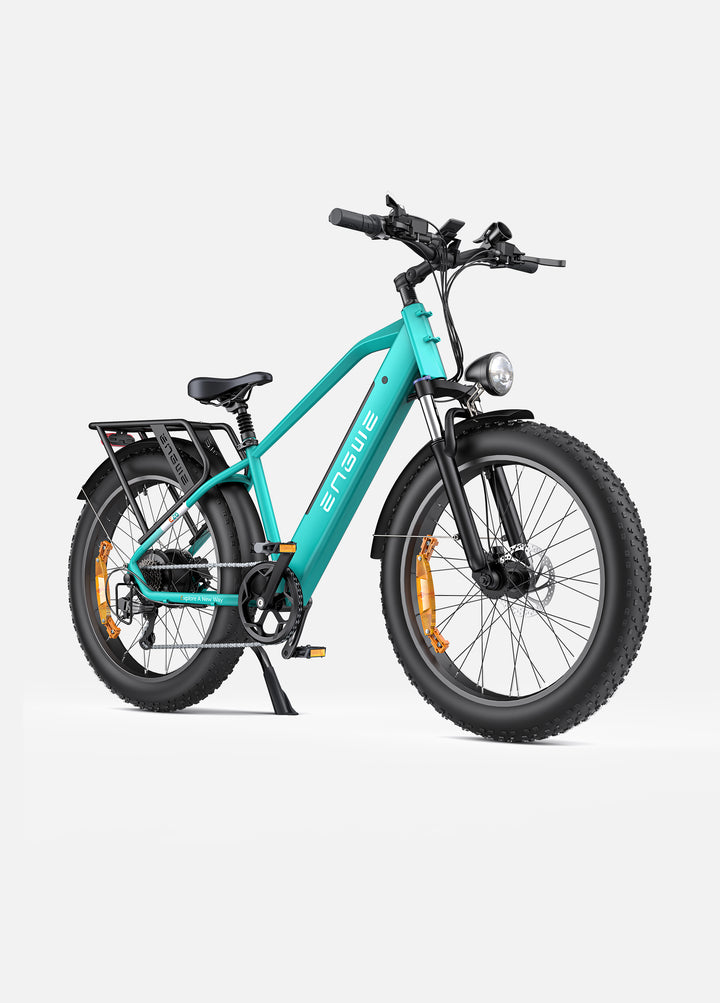
With the emergence of electric road bikes, commuting, fitness, and long-distance cycling are being transformed by UK riders. Whereas the traditional road bikes continue to be popular due to their pure performance, most cyclists are now considering an extra-assisted, versatile road ebike. Whenever there is a need to travel into the city or go on an endurance ride in the countryside. An electric powered bike may make the commute easier and longer without losing the pleasure of riding.
This guide will compare the UK conditions of electric and traditional road bikes, and help you make a decision on which one is more appropriate in your lifestyle, terrains, and daily use on the road.

Electric Road Bikes vs Traditional Road Bikes
Initially, the two types of bikes have similar frame geometry, drop handlebars, and aerodynamic positioning. Nevertheless, the significant difference is in pedal assistance. Electric road bikes are motorised and battery-powered to assist in the effort of cycling up hills and the length of the ride. The classic road bikes rely purely on the power of the rider, and they provide a more direct feel and mechanical feedback with each ride.
Key Differences Comparison:
|
Feature |
Electric Road Bike |
Traditional Road Bike |
|
Pedal Assistance |
Yes (up to 25 km/h UK legal limit) |
No motor assistance |
|
Weight |
Heavier due to the motor and battery |
Significantly lighter |
|
Hill Climbing |
Assisted and less strenuous |
Fully rider-powered |
|
Long Ride Fatigue |
Reduced fatigue |
Higher physical demand |
|
Upfront Cost |
Higher initial investment |
Generally lower purchase price |
Performance Comparison in Real UK Conditions for Electric Road Bikes
Under the actual British riding conditions, electric road bikes have definite benefits in rural roads with rolling landscapes and steep urban areas. Torque sensor systems offer natural assistance that is easy and smooth to use, and that does not cause sudden jumps in power. The riders who ride in hilly cities or travel longer distances on the weekend usually experience less fatigue and more stability in average speeds on a road ebike.
Conventional road bicycles remain good in terms of light responsiveness and control by the rider. On flat areas, advanced bicycle riders might opt to use a non-assisted setup because it is efficient and simple. But in other instances, such as when firm headwinds are encountered, or frequent ascents are involved, an electrically powered bike offers statistically significant comfort and stamina advantages in daily operations in the UK.

Are Electric Bikes Worth It
Electric road bikes are certainly worth an option to many of the UK riders. They increase the accessibility of commuting, increase the range of rides, and ease the physical burden on sloping slopes. Pedal assistance usually helps those riders who are coming back to cycling, who have to overcome joint strain, or who have to cover greater distances every day. They will be more expensive with the start-up, but the benefits in practice and flexibility can pay off in the long run.
Also, the short car trips could be substituted with an electric powered bike, which will additionally decrease fuel expenses and decrease pollution. In the long run, the cost of transport and parking savings can be used to compensate for the purchase price increase. A road ebike is a convenient and effective compromise between the traditional bike riding effort and the new electric support available to commuters who need to balance between work and physical activity.
Best Electric Road Bikes for UK Riders
The selection of an appropriate model of the electric road bikes is determined by how many miles you need to travel daily, the topography, and your ambition to ride. Lightweight frame and portability are the priorities of some of the riders, whereas the other riders have their eyes on the torque delivery and long-range commuting. The following are two balanced alternatives in the UK market which integrate effortless help, effectiveness, and workable daily execution.

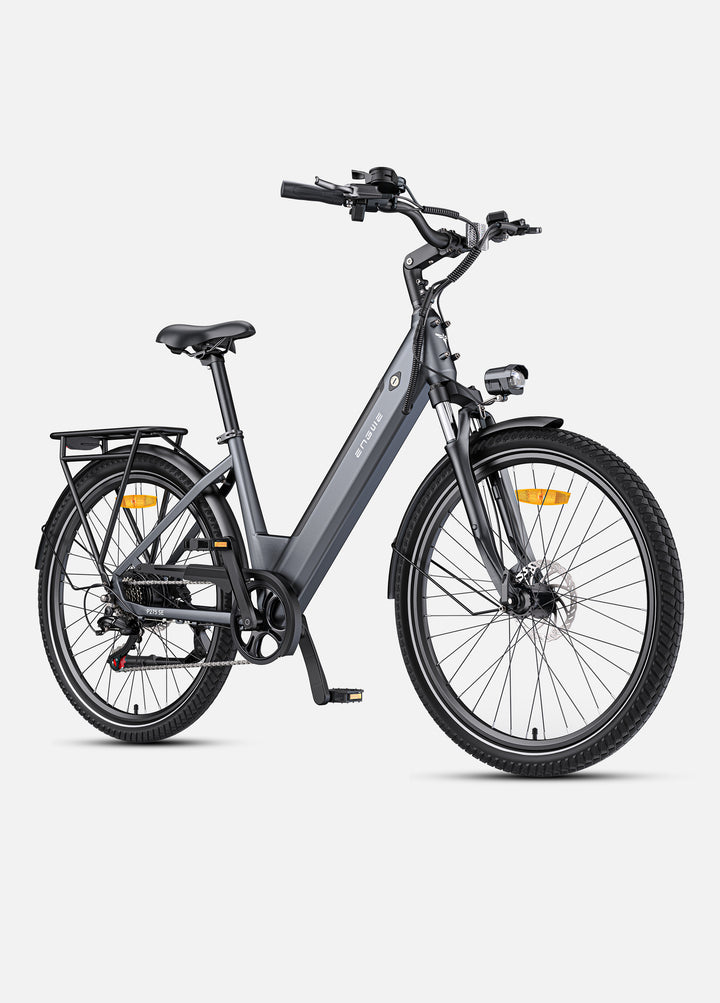
ENGWE P275 SE
ENGWE P275 SE is a bike that targets riders who are looking to have a smooth and responsive ride with a road electric bike. The frame is made of 6061 aluminium alloy and uses a 36 V 250 W brushless motor, and it provides natural pedal assistance due to its smart torque sensor. It is also fitted with a top range of 100km, making it appropriate for any commuter or long-distance urban rider.
Key Features
● 36V 250W brushless motor
● 55 N.m maximum torque
● Smoother acceleration, smart torque sensor
● 27.5 x 1.95 city tyres
● Multiple front and rear lighting

Ribble Endurance AL e
Ribble Endurance AL e is an electrical road bike that is light and performance-driven, with the product being in the electric road bikes category. It will be styled like a standard road bike and will have a hidden motor in the rear hub and an internal battery. It is perfect for riders wishing to have light electric support and continue with the classic geometry of the road bicycles and responsive handling.
Key Features
● The aluminium frame is lightweight
● Rear hub motor system
● Inbuilt battery
● Radical road geometry drop handlebar
● Natural, seamless pedal support

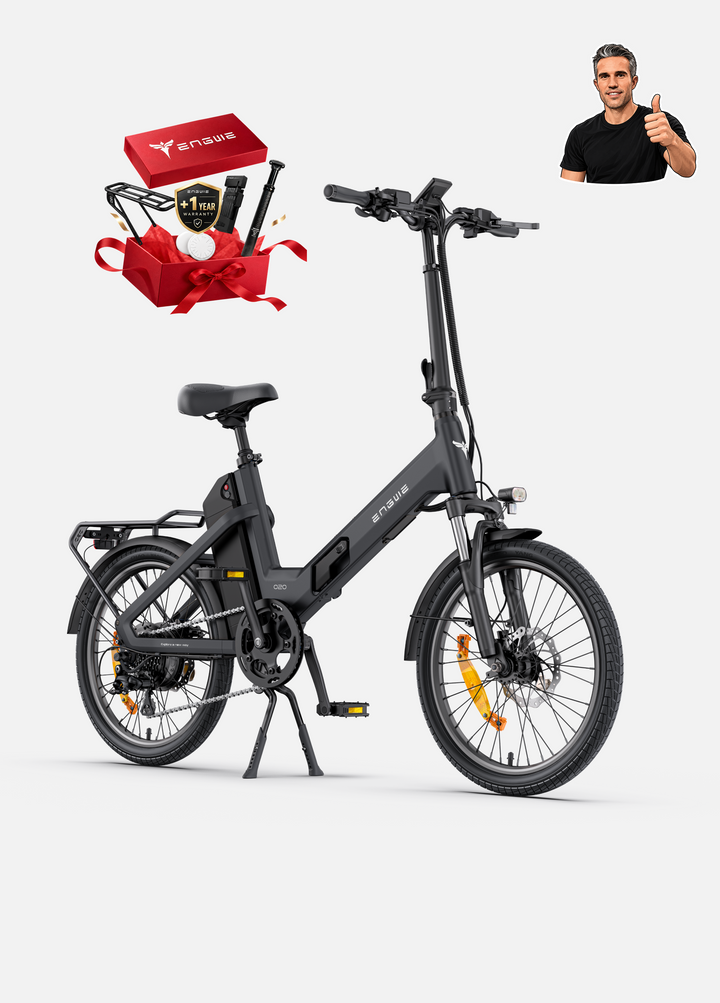
ENGWE P20
ENGWE P20 is a fairly light and small product that can be used by those riders who intend to have a practical electric powered bike to use in the city. It weighs only 18.5kg, making it easy to store and carry. It has a 250W motor that has 42Nm, which provides constant support, so it can be used in commuting, short-distance journeys, and a mixture of urban conditions.
Key Features
● 250W quiet motor
● 42 N.m torque output
● Hydraulic disc brakes
● 36V 9.6Ah lithium-ion battery
● Maximum distance of 100km and charges in 5 hours

Specialized Turbo Creo SL
The Specialized Turbo Creo SL is designed for endurance riders in need of high-end performance out of a road e-bike. It is famous due to its lightweight carbon frame and smooth motor system, which makes it easy to climb and go long distances. It is the kind that fits a seasoned rider with long-distance capability, without compromising its speed, agility, and road bike looks.
Key Features
● Lightweight carbon frame
● Mid-drive high-performance motor
● Elongated range battery system
● Ride displays advanced integration
● Intended to be used in long-distance endurance rides

Choosing Between Electric and Traditional Road Bikes
Electric road bikes also offer quantifiable benefits, should you ride up and over hills, or ride through head winds, or have an increased range. They minimise fatigue and assume a road cycling position that is familiar. The usual commuters who wish to come to work fresh and not tired often find the road ebike more convenient in their day-to-day use.
Conventional road bikes are still the best when it comes to purists and competitive riders who value the least weight and mechanical simplicity. They need fewer services and are cheaper in the first place. After all, the correct decision lies in your objectives as a rider, the type of terrain you are going to ride, and the amount of support you desire when riding normally.
Conclusion
The electric road bikes provide a controlled combination of performance, comfort, and contemporary convenience to UK riders. Although the traditional bikes are lighter and easier, an electric powered bike has practical benefits when on the hill and in the longer commutes.
Torque, range, and weight are the three factors that can help you to understand whether an e-bike weighs more than a traditional bike, or the road bike fits your cycling requirements. To a lot of ordinary riders, the electric assistance increases the fun without interfering with the essence of the road cycling experience.
Frequently Asked Questions
Do the electric road bikes move more slowly than traditional road bikes?
No, the electric road bikes are only of help to 25 kilometers per hour within the UK, after which they move like regular bikes, without the motor assistance.
Are electric road bikes more difficult to maintain?
They demand regular bike service and periodic battery and motor system checks in order to be reliable and perform in the long term.
What is the distance range of an electric road bike?
The majority of the electric road bikes have a range of 80km to 120km, which varies with the size of the battery, terrain, and level of pedal assist.
Is an E-bike heavier than a regular road bike?
Yes, the electric road bikes are generally heavier than traditional road bikes, because of the battery and motor system.