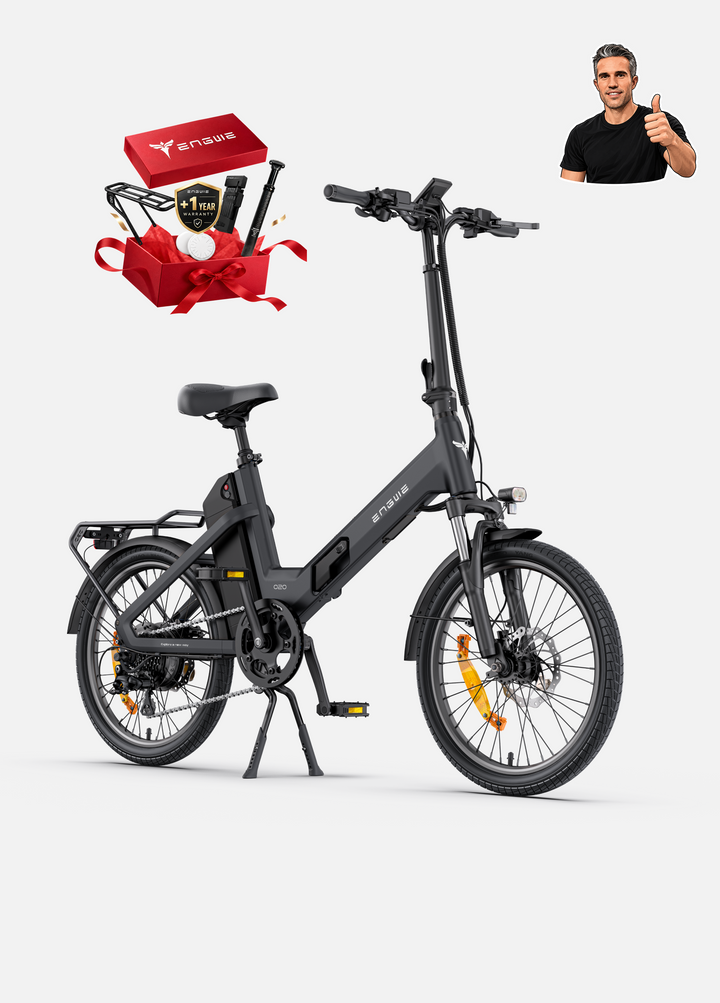
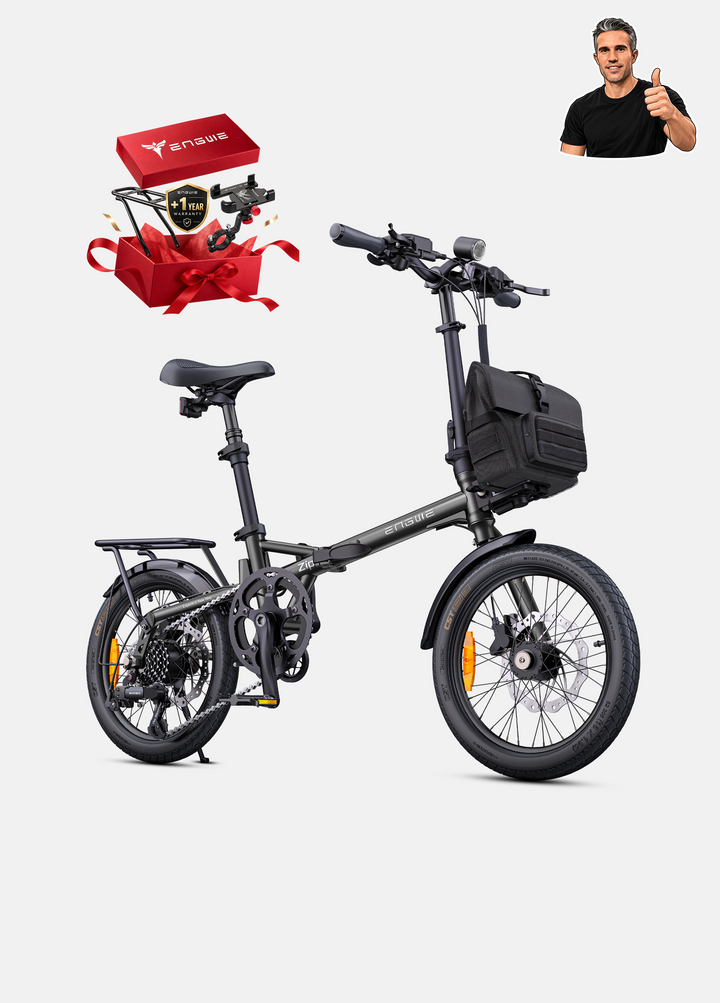
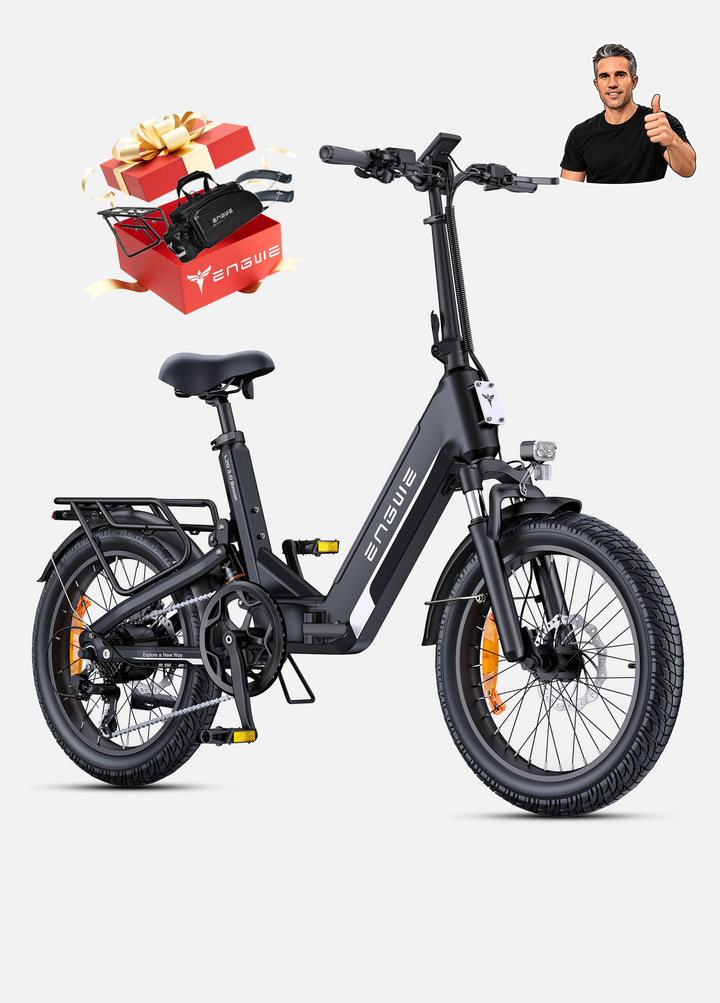
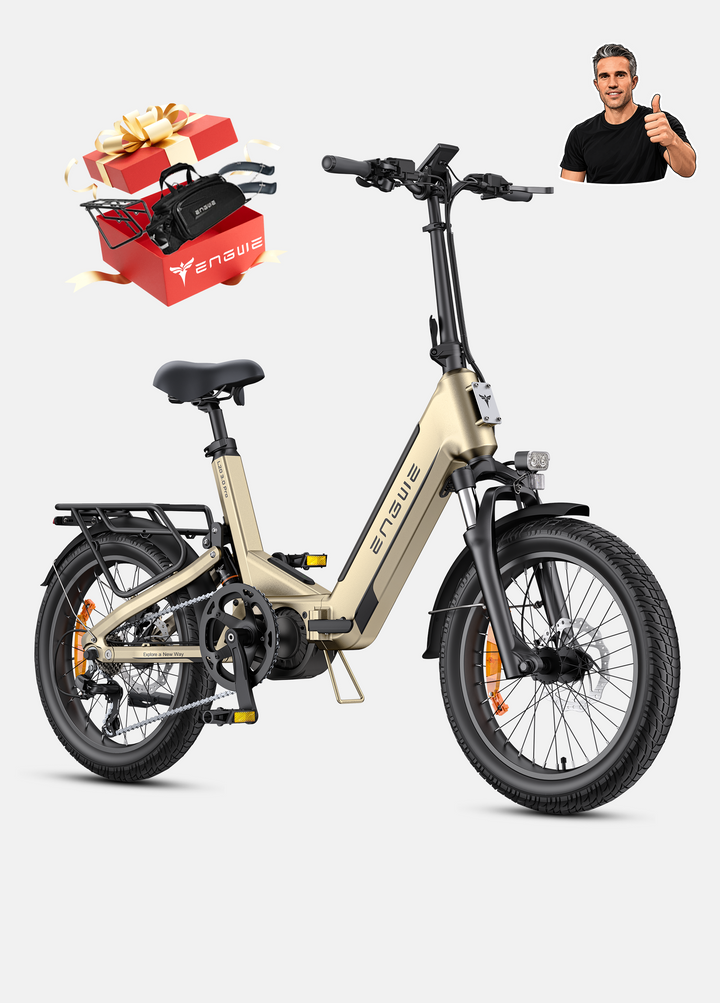
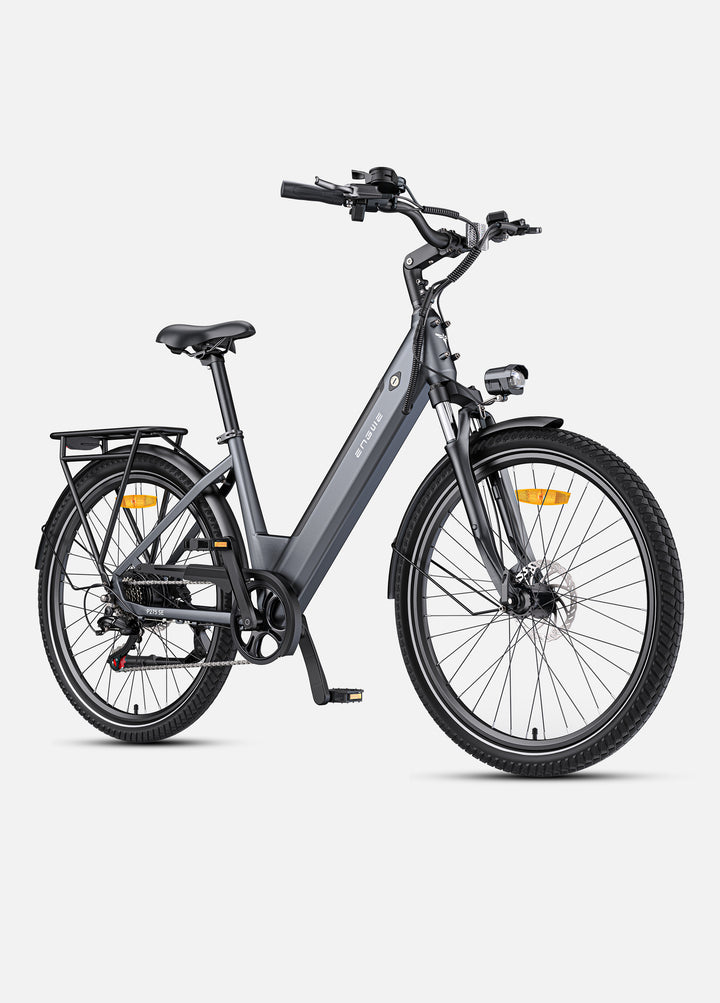
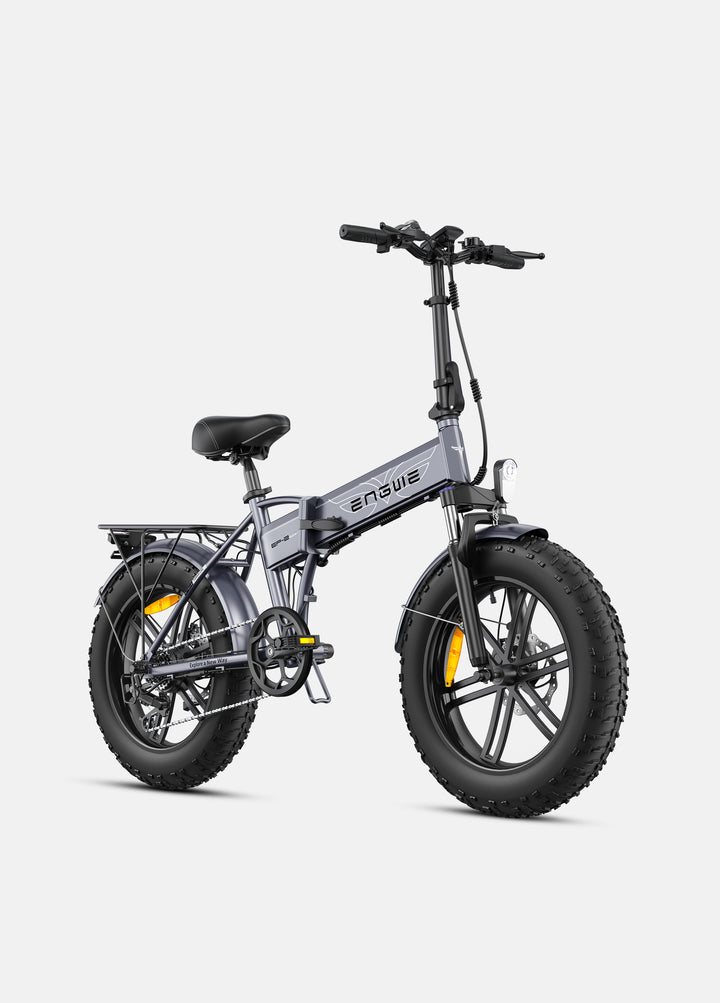
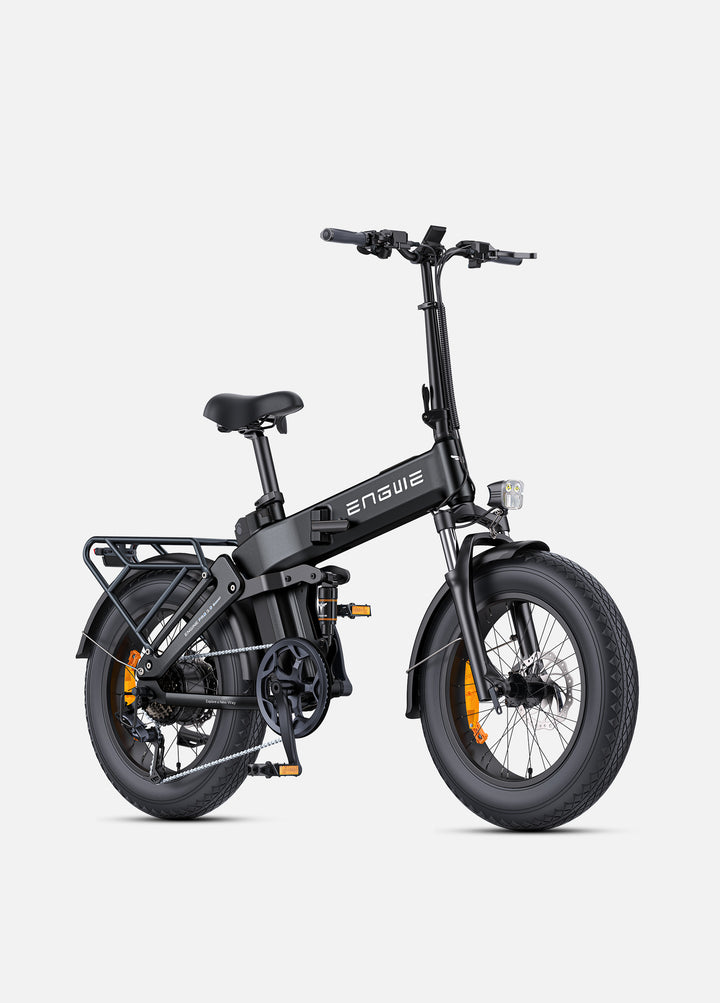
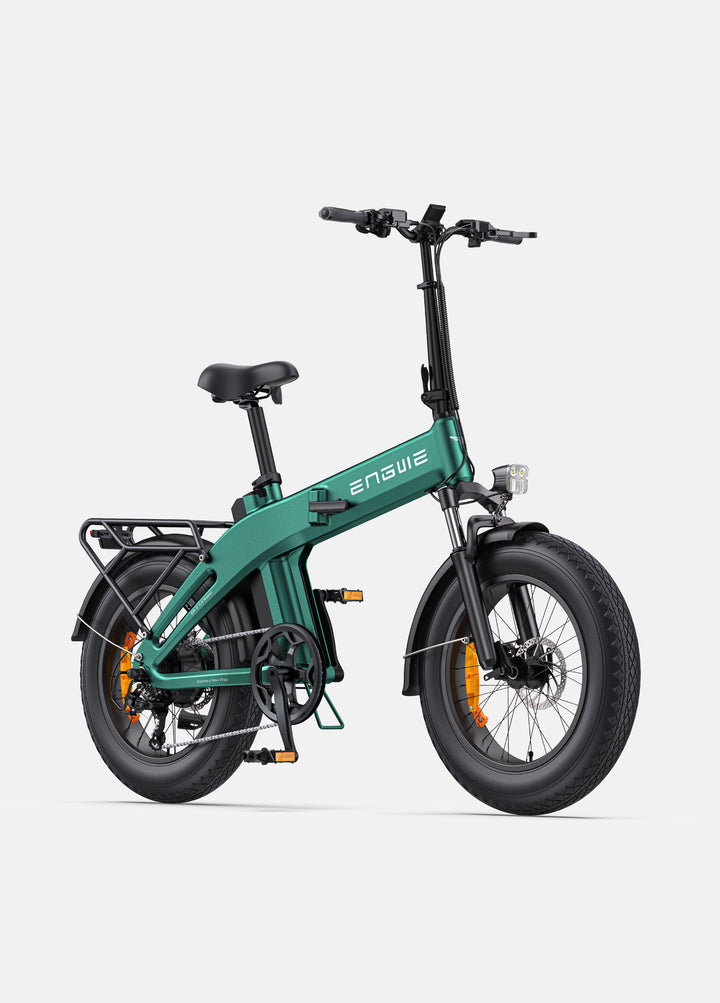
One of the most frequently asked questions among UK riders is about the electric bike speed. Whether riding to work every day or just on leisure, it is important to know the maximum achievable speed of an e-bike on the road. In Britain, the electric bike speed limit UK was clearly defined by legislation, and UK riders have to abide by this speed to be considered road legal.
But the actual speed is determined by the type of motor, torque production, road conditions, weight of the rider, and the capacity of the battery. Innovative torque sensors are also applied to affect acceleration and ride feel. This guide covers the UK laws on speed and singles out fast electric bike models that provide good performance as per the law, which can be fast and responsive.

Electric Bike Speed Limit UK Explained
In the UK, the majority of electric bikes with road legality are of the EAPC (Electrically Assisted Pedal Cycle) category. These regulations specify the speed of a compliant e-bike that can deliver pedal assistance.
The motor should have a maximum continuous rated power of 250W to qualify, and the assistance should cut off at 25 km/h. The rider should be 14 years of age in order to use an EAPC on public roads. The bike will not need registration, road tax, or a driving licence, provided that these requirements are fulfilled.
Key UK speed regulations:
● Motor aid up to 25km/h (15.5 mph)
● Continuous motor power with a maximum wattage of 250W.
● Pedal only (throttle-only operation not present on new models)
● Minimum age should be 14 years.
● None of the licences, taxes, or insurance is necessary, provided it is compliant.
Although the legal assist limit is 25 km/h, riders are free to ride manually at a faster speed than the limit, but they cannot be assisted.
What Affects Electric Bike Speed?
There are various aspects that determine the electric bike speed that are above the legal limit. Torque production contributes significantly to the speed of acceleration and climbing a hill on a bike. An increased torque rating of 75Nm and more helps in raising the climbing efficiency and responsiveness. The rolling resistance is also influenced by the tyre size and tread pattern, especially where there is mixed urban terrain.
Motor efficiency and Battery capacity help in prolonged performance. Although the electric bike speed limit UK is set at 25 km/h when the bike is being supported by the electric motor, those with more powerful torque sensors are smoother and faster when it comes to acceleration. The weight of the rider, the gradient of the ground, and the wind resistance will also influence practical riding speeds.

Electric Bikes Offering Strong Performance Within UK Limits
Although the electric bike speed limit UK has set the 25 km/h speed limit as a maximum on a motor-aided bike, the performance of a motor-aided bike still significantly differs depending on the bike. The response of the road and the power of a bike depend on the torque output, battery capacity, and the design of the suspension. The two electric bikes below provide good acceleration and handling as they are completely within the UK regulations.
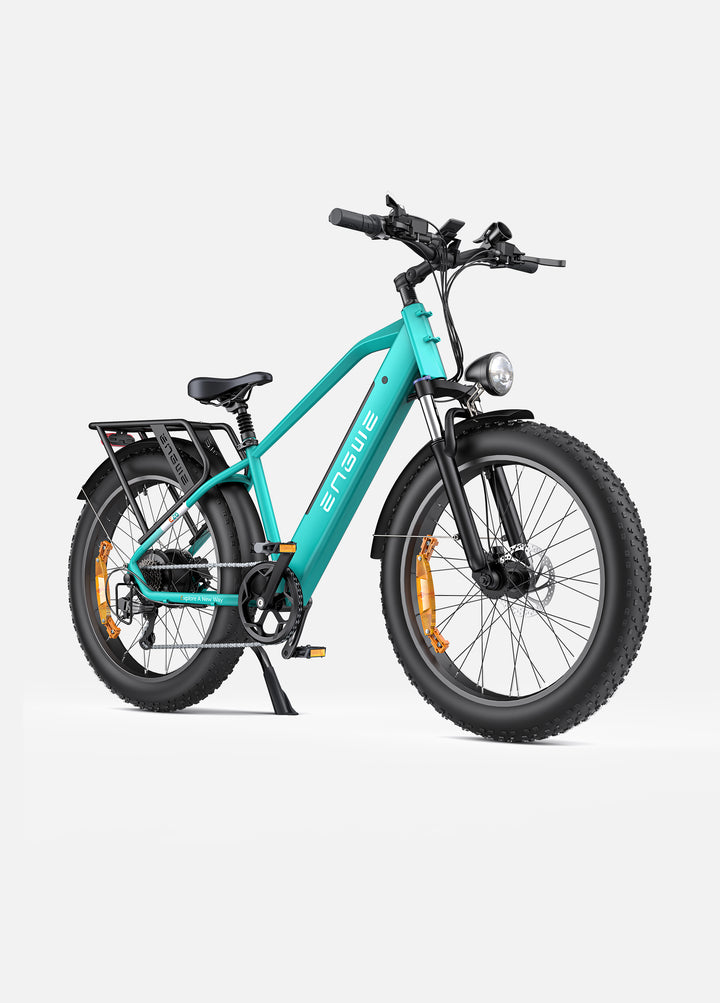
ENGWE EP-2 3.0 Boost: EU Legal 250W Motor E-Bike
The ENGWE EP-2 3.0 Boost has a good acceleration rate with its 75Nm torque output, and it feels like a fast guy off the line without exceeding the legal electric bike speed. It is urban/mixed terrain designed, as it accommodates riders with a height of 165 cm to 190 cm and can carry 150kg. Its standard tyre configuration gives it better grip and balance, which gives confidence in its performance on urban roads and easy trails.
Key Features
● 75Nm torque sensor system
● Up to 120km range
● 20" x 4.0" urban hybrid tyres
● 150kg maximum load capacity
● UK-legal 25 km/h pedal assist

Specialized Turbo Vado
The Specialized Turbo Vado has even been widely regarded as one of the quickest-feeling commuter e-bikes in the UK legal stipulations. Even though its support is limited to 25 km/h, its motor tuning is highly advanced to provide high-speed and smooth acceleration. Constructed to be used as an everyday urban commuter, it has good weight distribution and a well-finished ride, providing its riders with a high-quality feel of performance and at the same time meeting all the requirements of the UK legislation.
Key Features
● Mid-drive motor of high performance
● In-built long-range battery
● Fully developed digital display system
● Hydraulic disc brakes
● Urban-focused geometry

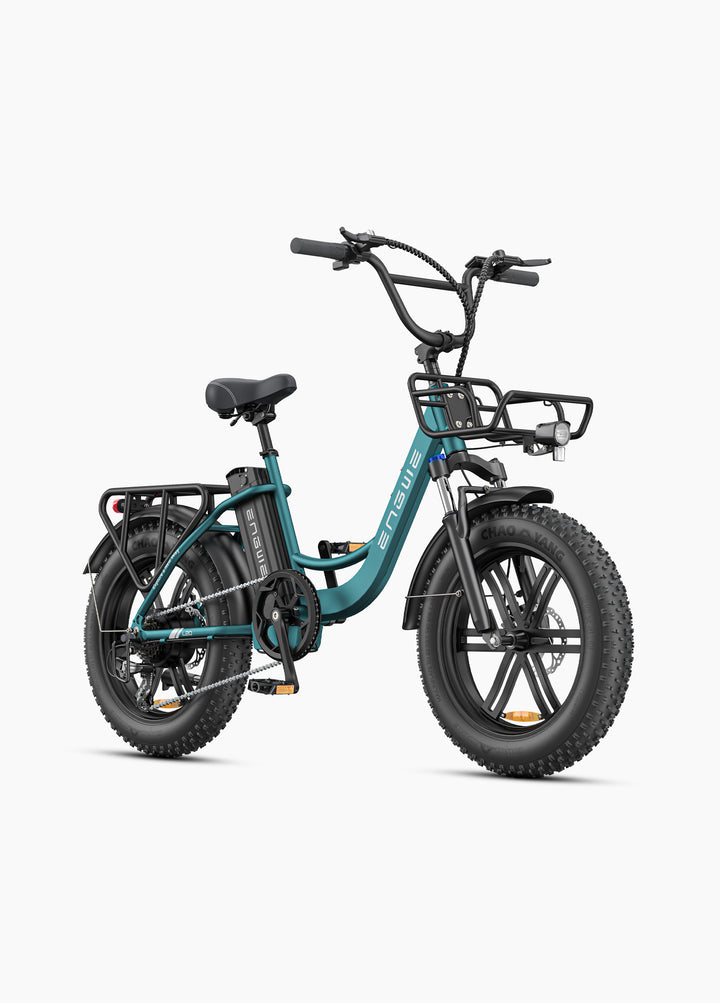
ENGWE M20: Dual Suspension Long Range E-bike
ENGWE M20 is a durable and comfortable bike that comes in two battery options to be used on long rides. Although it complies with the electric bike speed limit UK, it has a constant 55Nm of torque, which offers dependable acceleration and climbing aid. In the event that the rider prefers stability and long-distance travelling without compromising responsiveness, the dual suspension system is the way to go, as it is more comfortable in uneven terrain.
Key Features
● Dual battery (maximum current capacity 26Ah)
● Dual suspension frame construction
● 55Nm torque output
● 20 x 4.0 fat tyres
● Durable 6061 aluminium frame

Trek Allant+
The Trek Allant+ is aimed at those riders who wish to have an active acceleration and a long-range commuting capability. It has good torque reaction and pedal integration, although it complies with the electric bike speed limit UK. The strong frame and in-built battery system enable it to be used in day-to-day commuting and fitness riding, giving it the appearance of being one of the strongest-feeling electric bikes on the UK roadside.
Key Features
● Strong mid-drive motor system.
● Integrated battery design
● Stable commuter geometry
● Premium braking components
● Constructed on long range urban riding.

How Fast Electric Bike Can You Actually Ride
The electric bike speed limit UK limits the motor assistance to 25 km/h, but it is possible to surpass the limit by using manual pedalling. The motor is automatically disconnected once it has reached a point above the assisted threshold. The downhill ride or strong pedalling can propel the speeds well beyond the law with no legal concerns.
During normal commuting, the majority of the riders travel between 18 and 25 km/h in accordance with traffic and the terrain. Torque-rich models are perceived to be faster in acceleration, particularly on crossroads and mountains. Consequently, the top electric bike speed is limited, but the performance perception could rely significantly on both acceleration and motor responsiveness instead of top speed.
Conclusion
An electric bike, then, how fast? The UK has a legal limit of assisted speed of 25 km/h at which the actual performance through riding depends on the torque, battery efficiency, and terrain. Riders who demand a good acceleration should be more concerned with higher torque levels and not maximum speed.
The electric bike models are responsive and perform well within the legal limits, and are also comfortable to ride and have a long range capacity. Knowing the rules of electric bike speed and the aspects of performance, you will be assured in selecting an e-bike that will accommodate your commuter and recreational needs.
Frequently Asked Questions
What is the electric bike speed limit that riders in the UK are required to adhere to?
The UK legal maximum speed of motor-assisted electric bikes is 25 km/h (15.5 mph). Above this speed, assistance is automatically cut off.
Is it possible to have an electric bike with a speed greater than 25 km/h?
Riders can also ride faster by hand, but after 25 km/h, the motor will cease to offer assistance.
Is increased top speed equivalent to increased torque?
No, the torque enhances acceleration and climbing power, yet the assisted speed of the electric bikes in the UK is restricted by the law to 25 km/h.
Are the faster electric bikes in the UK illegal?
E-bikes with more than 250w of continuous motor power, or that offer assistance of more than 25km/h, are classified differently and may also be required to be registered and insured.