How Do Electric Bikes Work
The popularity of electric bikes keeps rising in the UK as riders seek efficient and eco-friendly modes of transport. E-bikes are used in commuting or leisure cycling and in the longer country rides, traditional pedalling and electric motor assistance are combined. This mixture aids riders in moving longer distances using less physical effort.
Learning the operating principles of the electric bikes can assist the buyers in settling on the appropriate model and ride with greater efficiency. Starting with battery systems and motors to sensors and controllers, all the elements are designed to support each other to give smooth assistance. This manual describes the fundamental technology of electric bikes and points out contemporary models that are set up to be used on an everyday basis.

Why Electric Bikes Are Becoming Popular
Electric bikes provide a sensible compromise between conventional biking and motorised support, and as such, they are attractive to many riders. Pedal-assist bikes enable a cyclist to retain control of their muscle power as the motor assists in acceleration and overcoming hills.
This will ease the process of making long commutes and decrease tiredness in the course of day-to-day commuting. Since cities keep increasing the cycling infrastructure and encouraging people to choose the path of sustainable transportation. A great number of individuals now view the electric bikes as a more convenient and efficient way of transportation that does not involve using either cars or overcrowded mass transportation options.
Key benefits include:
-
Less strain on the muscles whilst cycling uphill or into powerful headwinds.
-
Reduced congestion during rush hour in cities and created special lanes for bicycles.
-
Reduced transportation expenses in the long term compared to fuel or transportation charges.
-
Green mobility with zero direct emissions is in operation.
-
Long range of riding enables them to travel over long distances without exerting great fatigue.
-
More options among riders who are getting back into cycling or looking to deal with the joint load.
-
Commute transport, shopping, or leisure riding.

How Do Electric Bikes Work
The electric bikes are a combination of an electric motor, a rechargeable battery, and an intelligent control system with regular bicycle components. As the rider peddles, the sensors record the motion and use the motor to provide help. The amount of assistance is typically determined by the amount of pedal-assist mode chosen and the amount of effort applied by the rider.
The use of a torque sensor or cadence sensor to control the level of motor output is frequently seen in modern e-bikes. Torque sensors scan the intensity of peddling of a rider and proportionally adjust the assistance to generate a natural riding experience. The Cadence sensors merely sense the rotation of the pedals and offer constant power. They come together with battery management systems and motor controllers to ensure that there is an efficient use of energy, and the performance will remain constant.
Electric Bike Components Explained
The most important component that is useful is the electric motor. The majority of the electric bikes have hub motors installed in the wheel or a mid-drive motor that is installed near the pedals. Hub motors are easy and dependable in commuting, whereas mid-drive systems have provides superior weight distributions and climbing capabilities.
The battery provides the power to the motor; it is usually attached to the frame or is designed into the frame. The modern e-bike systems are dominated by lithium-ion batteries since they offer high capacity and are lightweight. The size of a battery has a direct impact on the range of riding as well as the performance.

Electric Bikes Offering Modern Performance
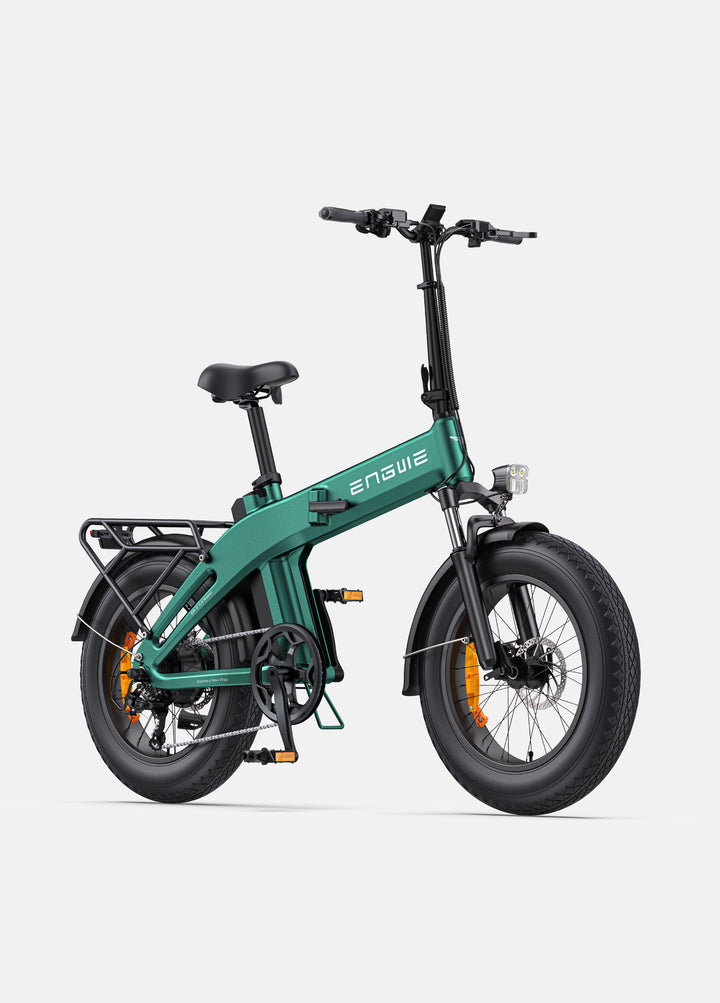
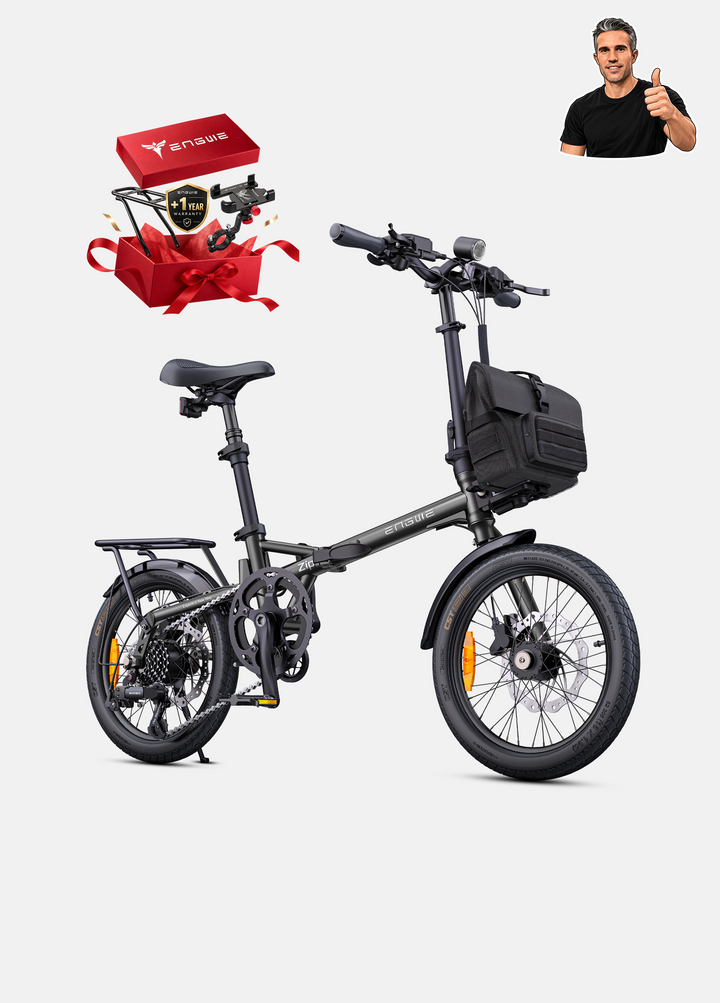
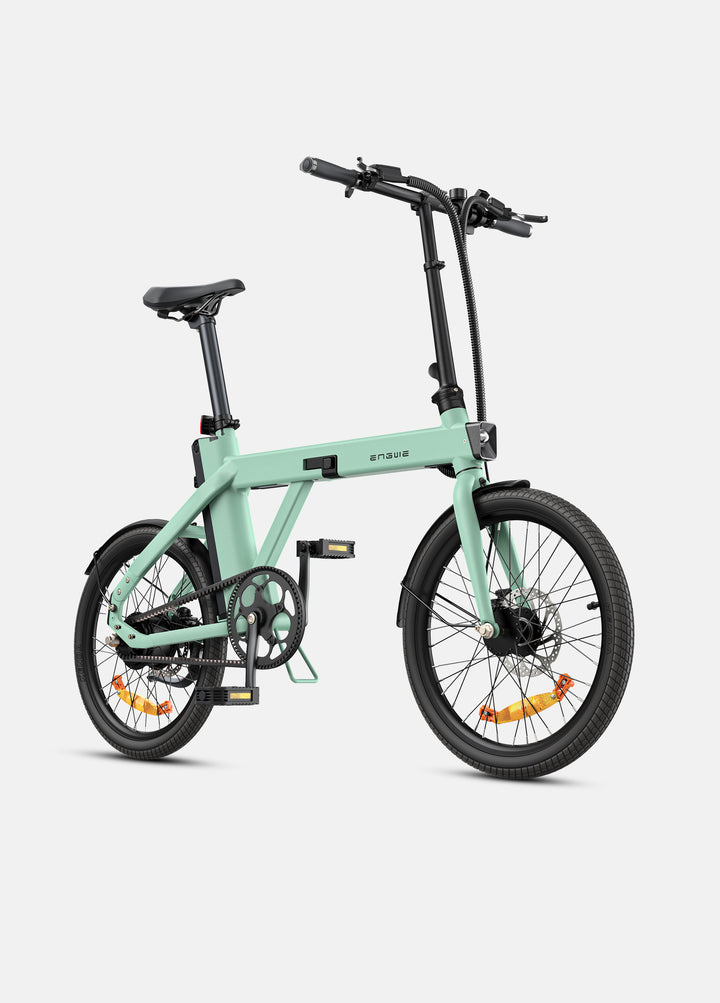
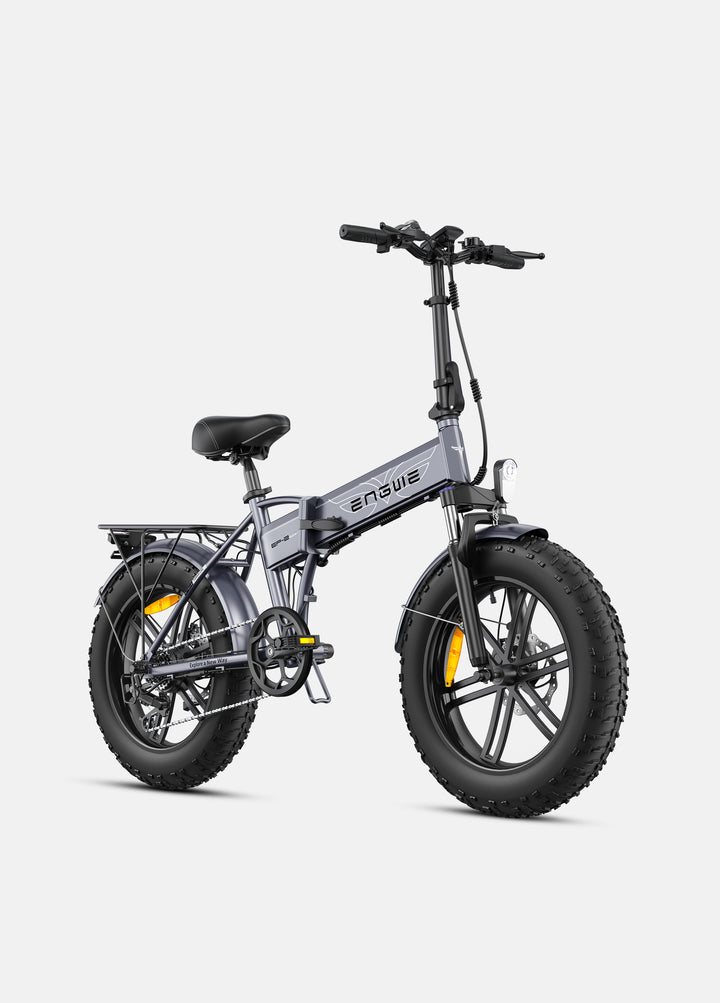
The contemporary electric bikes are a blend of smart motorism, powerful frames, and powerful batteries to produce smooth and responsive riding experiences. The riders are advantaged by the superior delivery of torque, superior suspension, and even extended range. Five models are described below that demonstrate how advanced technology enhances daily riding, with commuting, haulage, or multi-purpose mixed-terrain commuting.

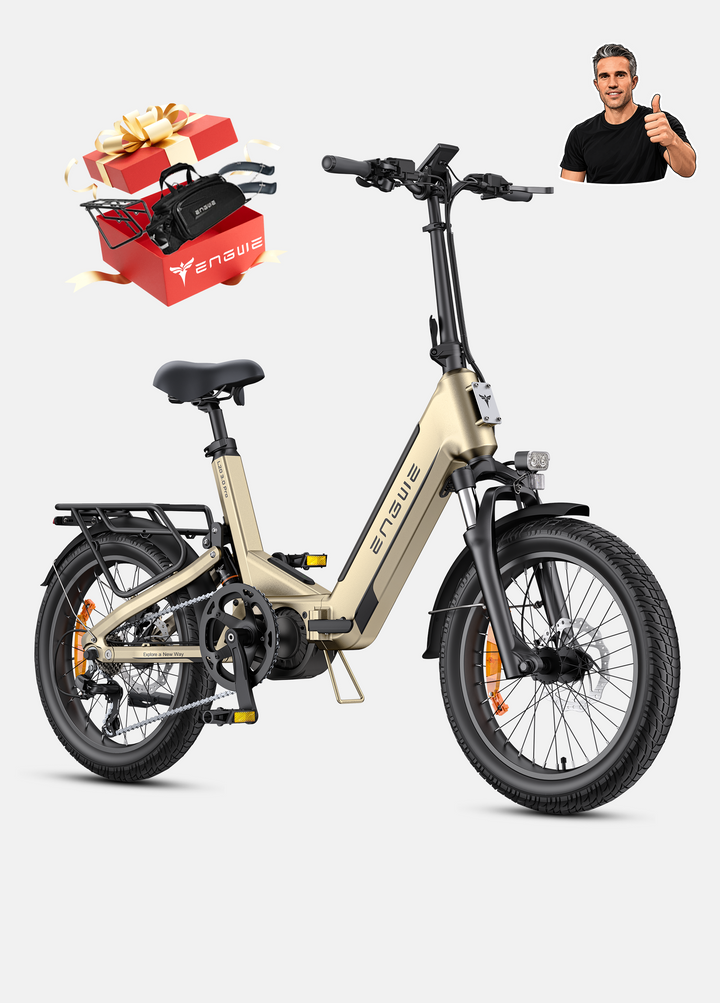
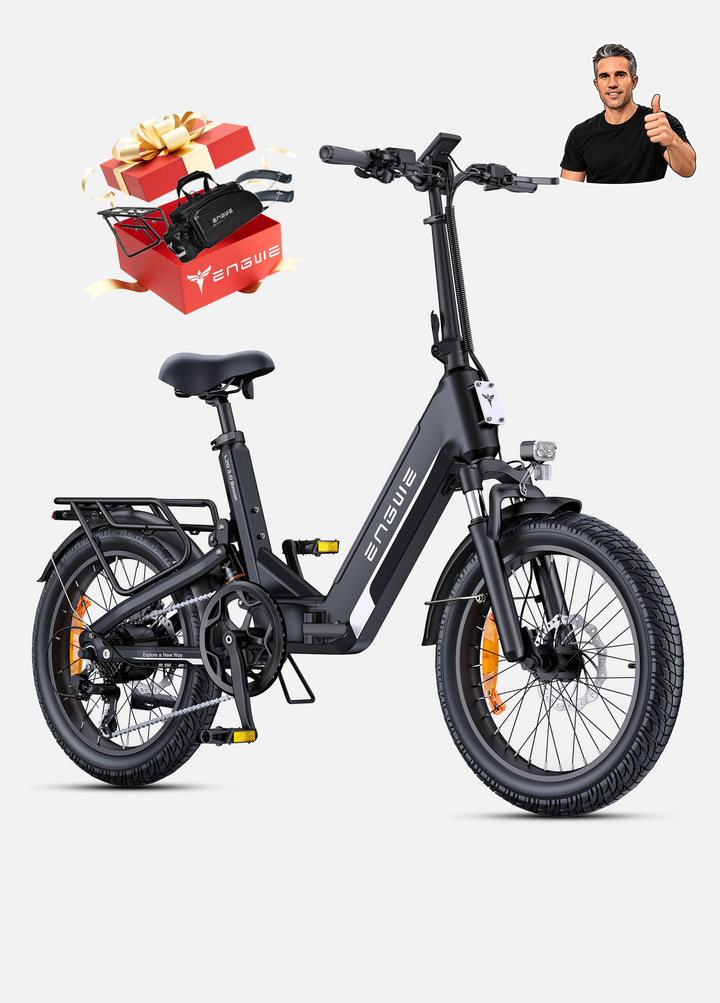
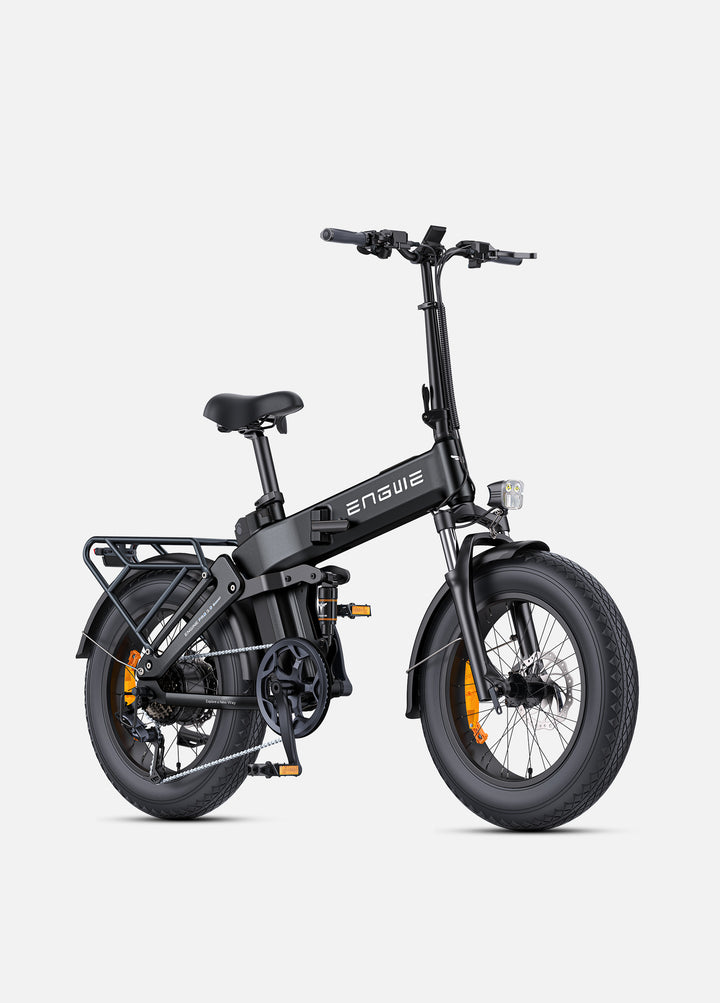
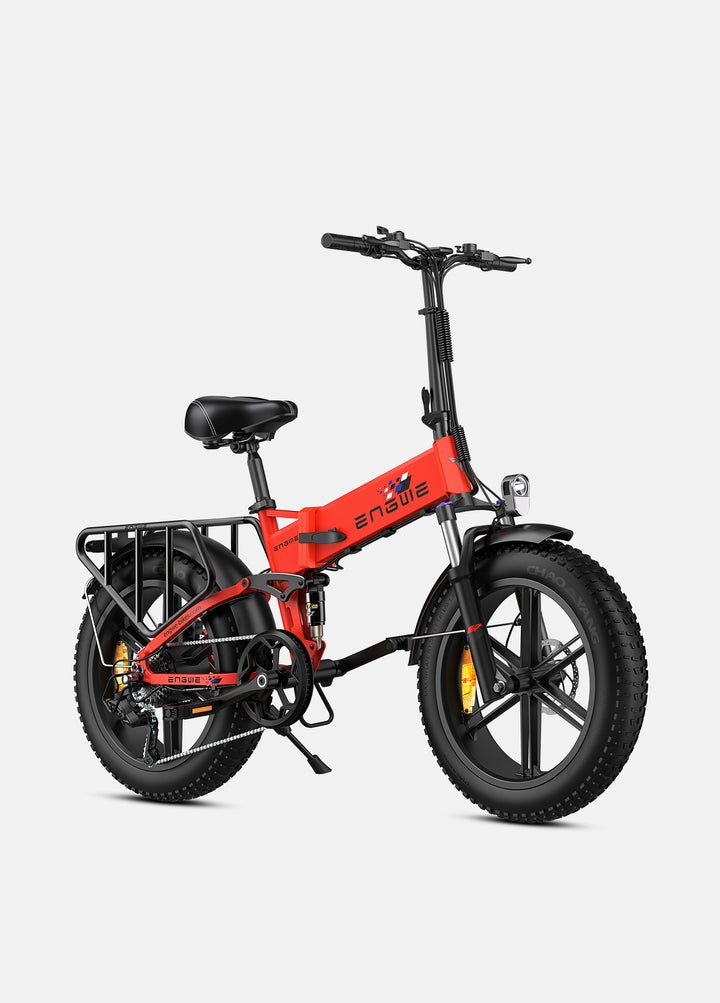
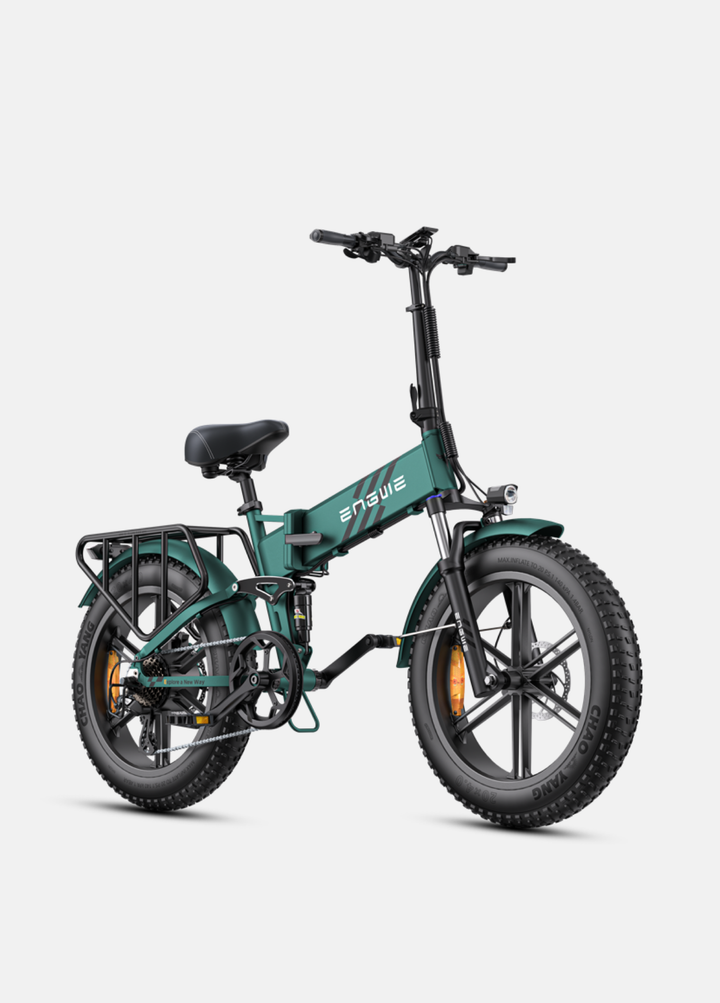
ENGWE ENGINE PRO 3.0 Boost
ENGWE ENGINE PRO 3.0 Boost is targeted at riders with a desire to have high climbing power and the ability to cover long distances. Its complete suspension system enhances the comfort of riding on rocky roads, and the 90Nm torque motor has bold acceleration. Constructed using a folding frame and huge urban hybrid tyres, it has a durable and flexible nature when setting out to commute, trail ride, and carry out daily transportation.
Key Features
-
48V hub motor with 90Nm torque
-
A full suspension frame that can be folded
-
130km potential riding range
-
20 x 4.0 urban hybrid tyres
-
150kg load capacity

Orbea Vibe H30
The Orbea Vibe H30 is geared towards urban performance. The slick design conceals the electric system within the frame, which gives the body of a classic city bike but provides the slightest of assistance. The simplistic design enables it to be the best commuting option for individuals who prefer the power of an electric bike but do not want to be weighed down by excessive weight.
Key Features
-
Light-frame construction of urban frames
-
Integrated rear hub motor
-
Internal battery system
-
Discreet internal battery system
-
Slim city-oriented tyres
-
Clean minimalist design

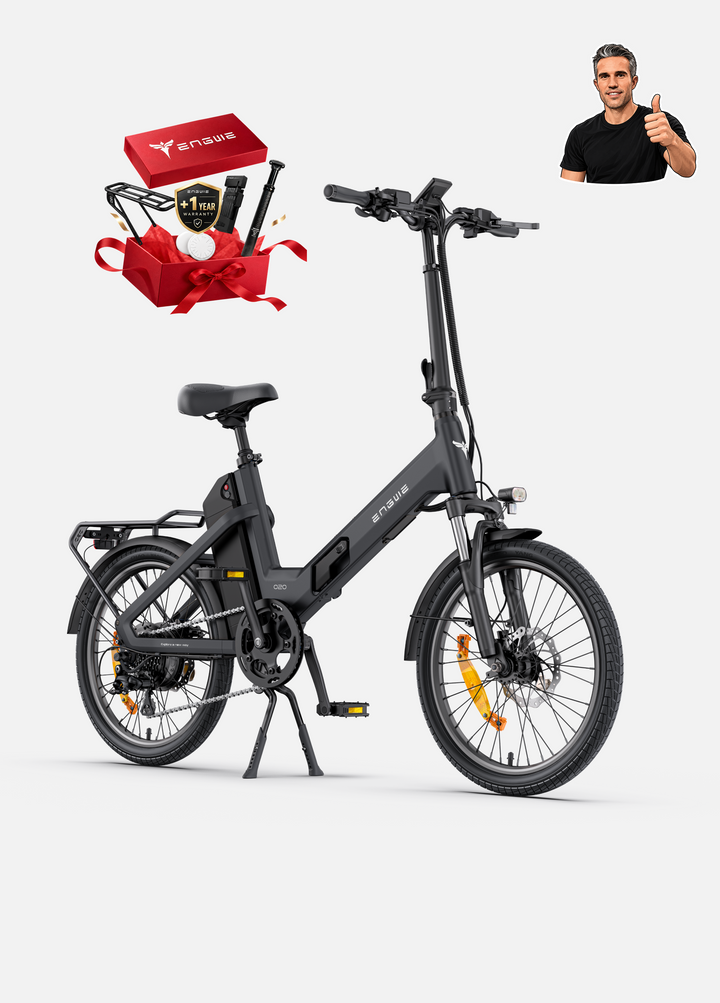
ENGWE LE20
ENGWE LE20 is a step-through cargo-based e-bike that is designed to have a convenient use in urban transportation. Its motor on the mid-drive gives it a high level of torque to deliver heavier packages yet maintain power delivery efficiency. It comes with puncture-resistant tyres and a stable frame structure, which makes the bike suitable for people who require reliable performance to commute, shop, or carry gear during their day-to-day travels in the cities.
Key Features
-
Torque sensor 250W mid-drive motor
-
Cargo support torque of 100Nm
-
Hydraulic disc braking system 180mm
-
Shimano 7-speed drivetrain
-
20 x 3.0 puncture-proof tyres

Cannondale Tesoro Neo X
The Cannondale Tesoro Neo X is both commuter-efficient and long-lasting, with adventure in mind. Its well-built frame structure allows it to handle well in the city streets, but still in the light gravel trails. Created to appeal to riders who want to be versatile, it has a smooth pedal assistance and equal distribution of weight to make commuting comfortable over long distances.
Key Features
-
Strong mid-drive motor system
-
In-built battery positioning
-
Comfort front suspension fork
-
Multi-terrain tyre setup
-
Frame geometry that is touring-ready

Choosing the Right Electric Bike
The range, motor torque, and general frame design are the aspects that a rider should take into account whenever choosing between modern electric bikes. Furthermore, commuters experience an advantage of the bigger battery and torque sensors, making the most of energy consumption. Mixed terrain may require wider tyres to give better traction to the riders.
Comfort is also a matter of great importance. Frame geometry, saddle design, and where the handlebars are placed affect long term riding experience. The e-bike must be well balanced in, offering good balance, good battery performance, and reliable braking systems.
Besides, riders are advised to weigh, compare the portability and convenience of charging before selecting between electric bikes. Such characteristics as removable batteries, inbuilt displays, and adjustable assistance can greatly enhance the daily usability and general riding performance.
Conclusion
Knowledge of the working of electric bikes will enable the riders to make informed purchases. The introduction of motor-assistance, battery recharging, and smart sensors makes modern e-bikes time-efficient and comfortable to transport. They can be used to commute as well as for recreational cycling, as they are a convenient alternative to other means of transportation. With more and more advances in technology, electric bikes are becoming stronger, more efficient, and more available to individuals, which makes them a more popular mode of daily transportation.
Frequently Asked Questions
What is the experience of riding an electric bike?
The electric bikes use the peddling of the rider to start the motor. Sensors that detect pedalling movement are used to offer controlled assistance by the battery-powered engine.
Are the electric bikes pedal-assisted?
The majority of electric bikes that are road-legal have pedal-assist, which implies that the motor is only activated when the rider pedals.
What is the range of electric bikes per charge?
The electric bikes can go up to 60 km/120 km depending on the battery capacity, the terrain, and the level of pedal-assist.
Are e-bikes hard to keep in order?
Maintenance is similar to that of regular bicycles, and the battery and the electrical parts have to be checked occasionally.